LinkedIn marketing is the same as all good content marketing: make things people actually want to consume. Stop posting about your product. Start telling human stories people care about, the same stories you would tell at a barbecue. Post daily, comment daily, and meet people in real life. That is the whole system.
I have made over $10 million on LinkedIn in five years. No paid ads, no $49 PDF. And the single biggest lesson from all of it is this: nobody on LinkedIn cares about your product. They care about people. This guide covers the barbecue test, what to actually post, the daily system, and the honest truth about educational content.
The barbecue test
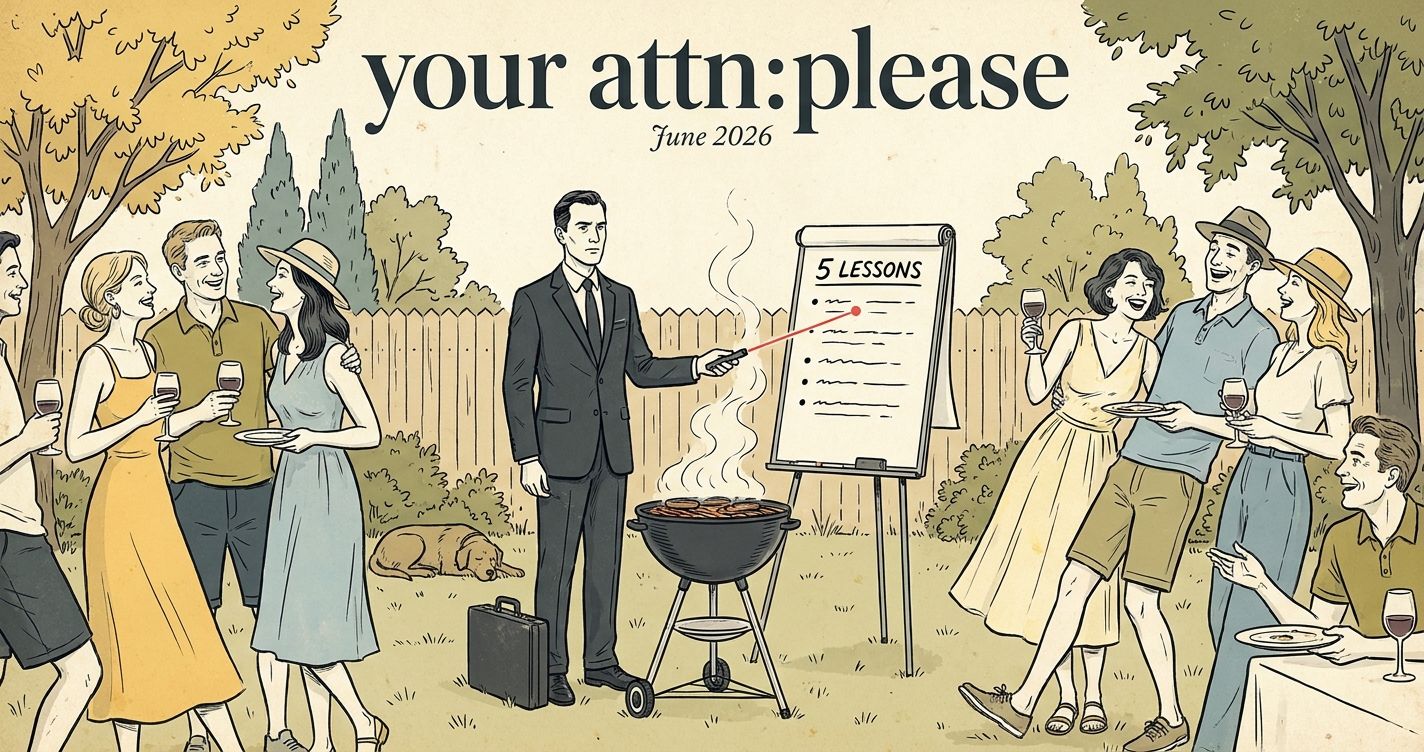
Before you post anything, run the barbecue test: would you say this to mates at a Sunday barbecue, at the pub, or at a networking event? The topics you would naturally talk about there are exactly the topics that work on LinkedIn. If you would not say it to a human at a barbecue, do not post it.
Nobody at a barbecue wants your product demo. They want the story about the week that nearly broke you. The hire that surprised you. The client call that went sideways. That is what people lean in for at a barbecue, and the feed works exactly the same way.
What to post: human stories, not product features
Post stories about you, your journey, and your team, because those are things people can relate to and care about. Your product is the background detail, not the headline. The story carries the value; the reader works out what you do along the way.
You are not there to sell yourself. That is not the point, and audiences smell it instantly. The strange economics of LinkedIn: the less you push the product, the more business arrives. People buy from people they have watched be real for months.
The daily system
The system that built my following has three parts, all daily. Post every day, even when most posts do nothing. Comment every day on people you rate, real conversations rather than spam. And take the relationships offline: DMs are good, coffee is better.
- Post daily. Treat LinkedIn like a laboratory. 99% of posts will not go viral, and that is fine. Every post is a data point.
- Comment daily. Thoughtful comments make you part of the furniture. Eventually the people on the couch ask what you do.
- Meet people in real life. The money on LinkedIn is made off LinkedIn.
The truth about teaching content
Yes, you can teach on LinkedIn. But edutainment, content that is genuinely entertaining AND genuinely expert, is one of the hardest formats in the game. If you can pull it off, do it. If you cannot, do not fake it. A good story beats a mediocre lesson every single time.
The mistake is jamming lessons down people’s throats. Nobody opens LinkedIn hoping for a lecture. If you teach, do it the way a great dinner guest does: interesting, surprising, breaking a misconception here and there, never preachy. And be honest with yourself about whether your “5 lessons” post is entertaining or just a list. If in doubt, tell the story instead.
FAQ
How often should I post on LinkedIn?
Daily. Consistency beats brilliance. Most posts will do nothing, and that is the system working: each one is a rep, a data point, and a chance for one to run.
Should I post about my company or myself?
Yourself. Personal profiles massively outperform company pages because people connect with people. Your company shows up inside your stories, not instead of them.
How long until LinkedIn marketing pays off?
Months, not days. The compounding is real but slow: you are building familiarity with thousands of quiet readers who never like or comment, then one day they need what you do.
Do I need to be on video?
No. Written posts with a real photo do the job on LinkedIn. Video helps but the platform is still a writer’s platform first.
Keep reading: LinkedIn hub · personal branding · how to batch create social media content