The longest awaited, most drawn out TikTok deal may
And it looms over our heads like a cloud of both opportunity and fear. The big question isn't really whether the app survives or not, because it will. It's got the full force of "merica to ensure it.
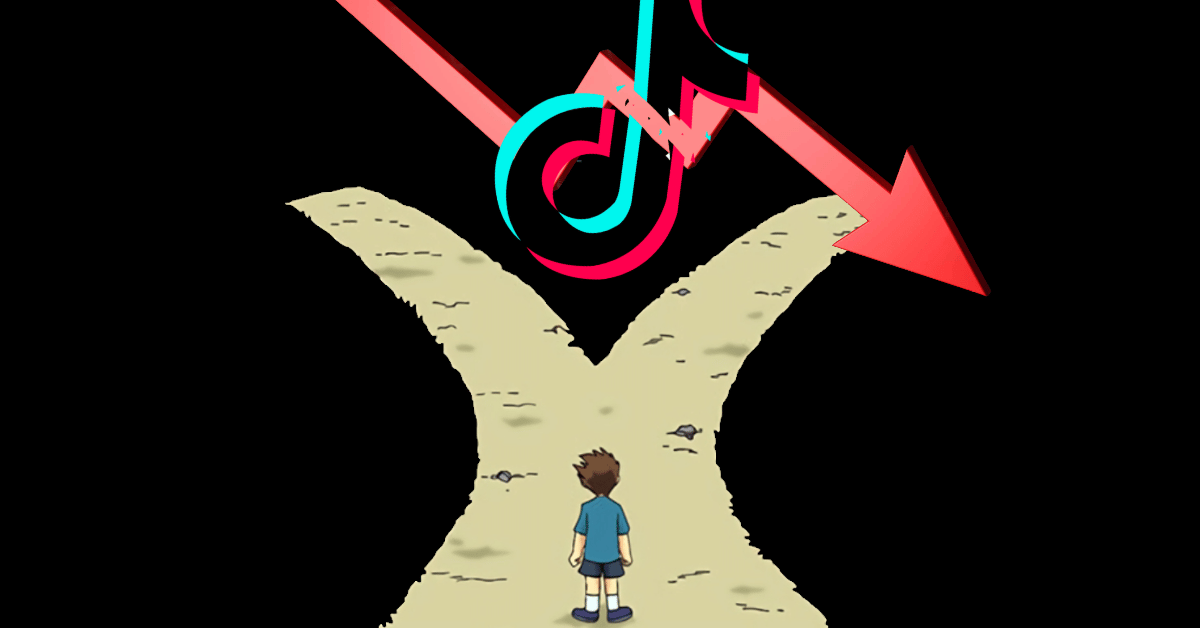
No, the question in my head is: what happens to the algorithm?
TikTok's recommendation engine is its golden goose
Unlike Instagram or Facebook, which are rooted in who you know, TikTok is built on what you watch. The "For You" page doesn't care if you have two followers or two million; it cares how long people replay your video, whether they pause, share, or scroll. That ruthless efficiency is what gave regular degulars a shot at virality. It's the kind of overnight success that Reels and YouTube Shorts have endlessly tried and failed to replicate.
So what happens if that changes?
Like I said in a recent article, Snapchat's Evan Spiegel just admitted Friend Stories are dying out, being replaced by influencer clips that spark conversations. Instagram's Adam Mosseri confessed that users now prefer to DM memes instead of posting their own.
Posting ennui is real, and TikTok's algorithm is both the cause and the counterweight. It made public posting thrilling again, even if risky, because the possibility of being seen by millions outweighed the fear of being cringe.
But if the deal forces changes to how TikTok's algorithm is licensed, governed, or overseen, we could see ripple effects:
Virality gets harder. The chance at a free ride could be over, baby. If the recommendation signals are tweaked to be more conservative or more "transparent," unknown creators might find it harder to break through. The feed could flatten, privileging safer, more predictable content.
Feeds lose their weirdness. TikTok is sticky because it surfaces the niche and the absurd (if you know you know). Frog cake baking, Albanian folk dances, a rant about oat milk. If algorithm changes make it less surprising, the magic could drain out.
Posting feels even riskier. If virality becomes rare, why bother posting at all? The same ennui we feel on Instagram could creep into TikTok, deepening the sense that participation isn't worth the vulnerability hangover.
Private sharing grows. As public feeds get tamer, people will push more into group chats, DMs, and micro-communities. The real culture might move underground, away from the big stage.
There's also the bigger geopolitical backdrop.
China considers TikTok's algorithm a sensitive export, while the U.S. wants more control and transparency. If the eventual compromise dilutes the algorithm's "secret sauce," TikTok risks losing the very thing that made it a cultural juggernaut.
And that's the paradox. TikTok's algorithm is both addictive genius and an international liability.
It made the internet fun again by giving anyone a shot. But it also fuels the chaos that made posting casual selfies feel embarrassing everywhere else. If it changes, we don't just lose a feed. We lose one of the last remaining engines of surprise on the internet.
So yes, the deal might keep TikTok alive. But the question isn't of survival, it's of soul. If it has one, that is.
-Sophie Randell, Writer